

Messy play is one of the best ways for young children to explore, create, and learn. A mud kitchen is a simple but fantastic addition to any outdoor play area, allowing little ones to engage in open-ended, imaginative play. It’s more than just playing with mud—it’s about sensory experiences, social interaction, and fostering a love for nature.
With screens becoming more dominant in children’s lives, it’s more important than ever to encourage outdoor play. Mud kitchens provide a fun and interactive way to get kids outside, using natural materials to stir up their creativity. In this guide, we’ll explore everything you need to know about mud kitchens, from their benefits and setup tips to fun play ideas that will keep your little ones engaged for hours.
As an Amazon Associate, I earn from qualifying purchases.
Please be aware that links on this page may be affiliate links which mean you pay the same price as usual, but I may get a commission for sending you their way.
What is a Mud Kitchen?
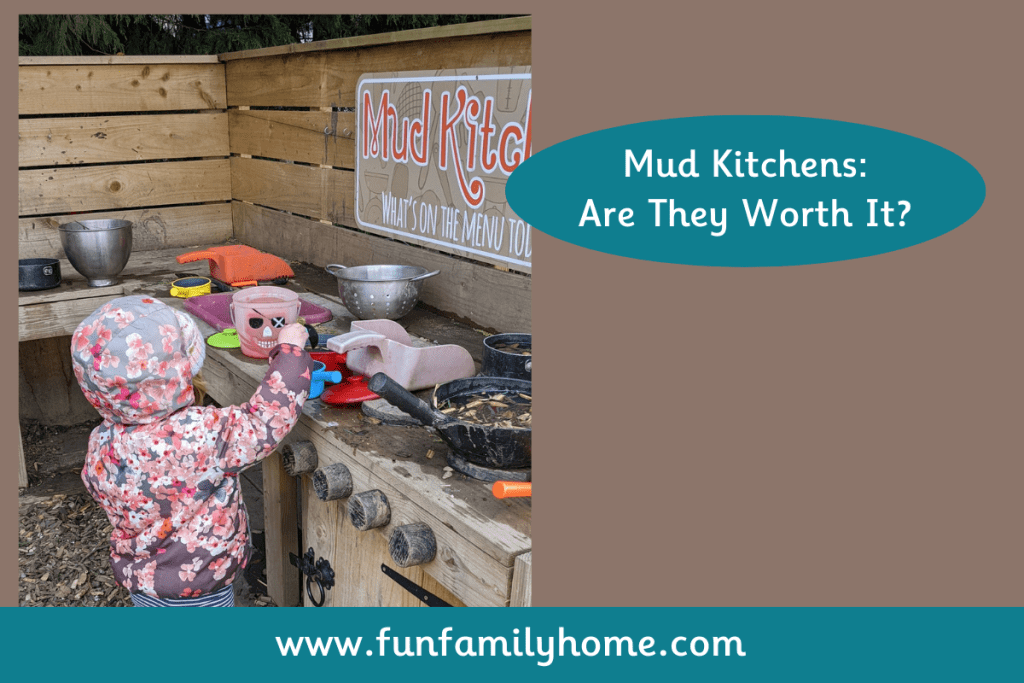
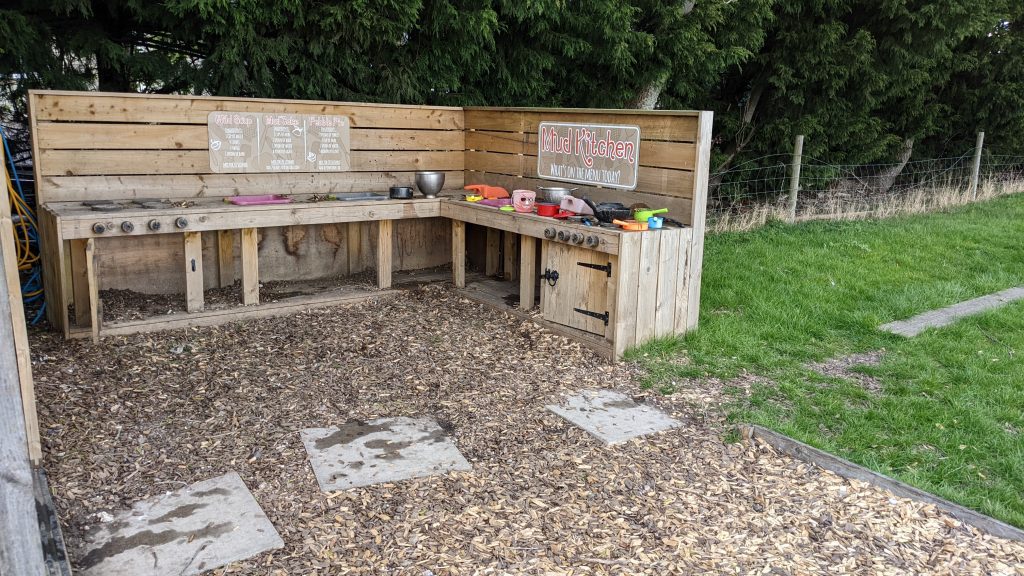
A mud kitchen is a play space where children can pretend to cook and experiment with natural elements like mud, water, sand, leaves, and sticks. It typically consists of a work surface, some old kitchen utensils, and a place for mixing and pouring.
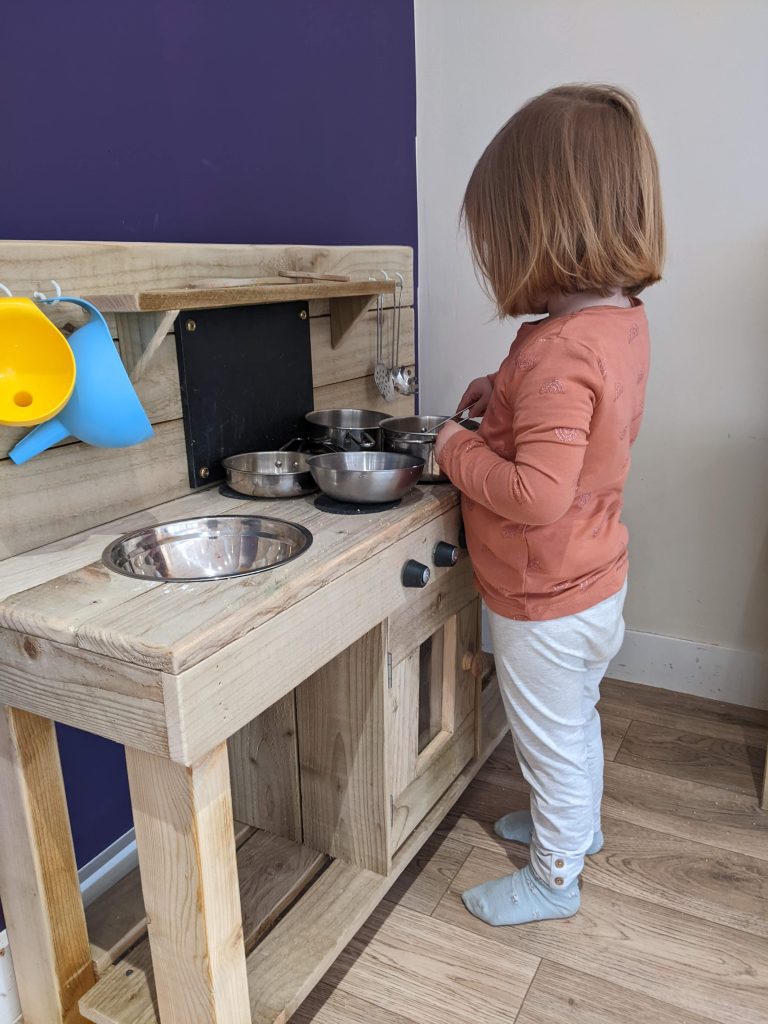
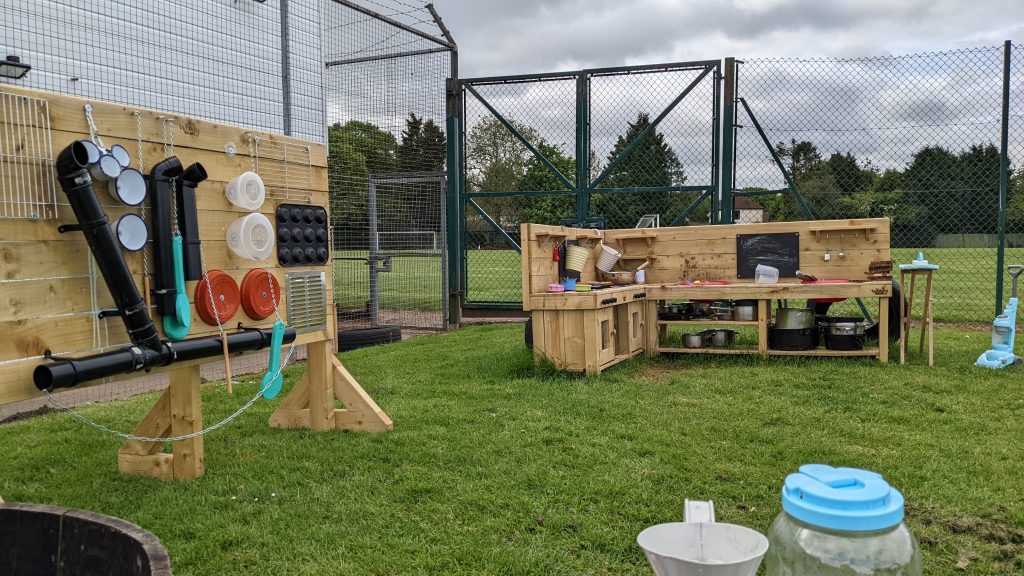
Mud kitchens come in all shapes and sizes. Some families opt for DIY versions made from repurposed pallets and second-hand kitchenware, while others purchase pre-made sets that come with sinks, stoves, and storage. No matter the style, a mud kitchen provides endless opportunities for role-play and discovery.
Benefits of Mud Kitchens for Young Children
1. Encourages Imaginative Play
Children love role-playing, and a mud kitchen allows them to pretend to be chefs, bakers, potion-makers, or even scientists conducting messy experiments. The open-ended nature of mud play fosters creativity and problem-solving skills.
2. Supports Sensory Development
Playing with mud, water, and other natural materials engages multiple senses. Feeling different textures, seeing colour changes when mixing ingredients, and hearing the splash of water all contribute to sensory learning.
3. Promotes Social Skills
A mud kitchen is a fantastic way to encourage cooperative play. Whether it’s making a pretend meal together or taking turns stirring a mixture, children learn to communicate, negotiate, and share with others.
4. Boosts Fine and Gross Motor Skills
Scooping, pouring, mixing, and stirring all help develop fine motor skills, which are essential for writing and other precise hand movements. The physical actions involved in mud kitchen play also enhance hand-eye coordination and strengthen muscles.
5. Connects Children with Nature
With so much time spent indoors, children are missing out on direct interactions with nature. A mud kitchen helps bridge that gap, allowing them to touch, smell, and observe elements of the natural world in a hands-on way. Being outdoors gives them that valuable Vitamin D that so many of us are lacking especially in the winter months.
How to Set Up a Mud Kitchen
Setting up a mud kitchen doesn’t have to be expensive or complicated. Here’s how you can create a fun and functional space for your child:
1. Choose a Location
Find a suitable outdoor spot for your mud kitchen. Ideally, it should be in a shady area of the garden where kids can get messy without worrying about ruining indoor spaces. If you don’t have a garden, a balcony will work or you could even take some pots and pans with you down to your local park.
2. Gather the Essentials
- Work Surface: A wooden bench, an old table, or a repurposed pallet makes a great countertop.
- Containers: Bowls, pots, and buckets for mixing and storing mud and water.
- Utensils: Wooden spoons, whisks, ladles, and measuring cups.
- Water Source: A watering can, a bucket of water, or even a small outdoor tap.
- Extras: Muffin tins, sieves, and baking trays for extra imaginative play.
Find a metal play saucepan set here.
3. DIY vs. Store-Bought
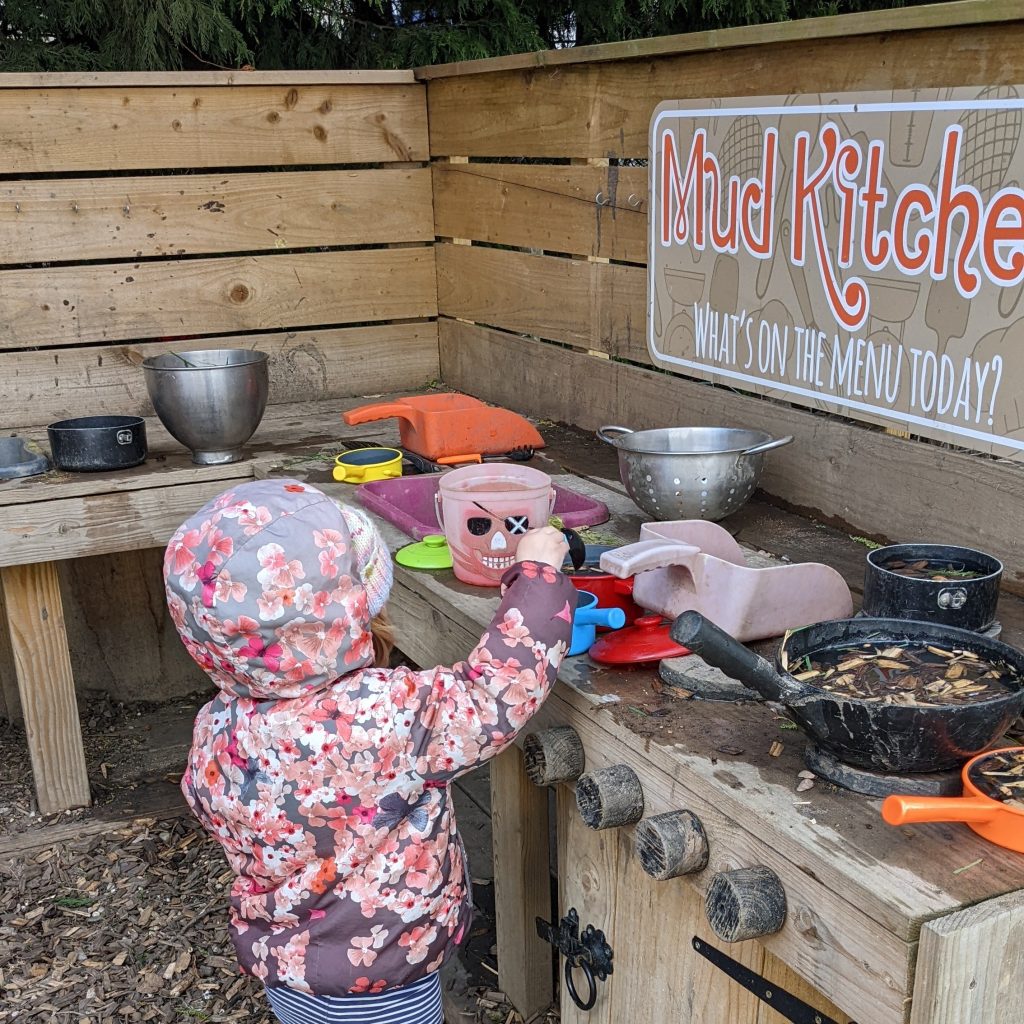
If you’re on a budget, you can easily make a DIY mud kitchen using upcycled materials. Wooden crates, old kitchen units, or pallets can be turned into a fantastic play space. If you prefer a ready-made solution, there are many beautiful mud kitchens available for purchase, ranging from simple wooden structures to full mini outdoor kitchens.
I have seen people make mud kitchens from IKEA units too.
4. Storage & Cleaning Tips
To keep things organised, use hooks for hanging utensils and baskets for storing accessories. When playtime is over, a simple rinse with a hose or a quick wipe-down will help maintain the space.
It’s best to store it or site it under some kind of cover. Ours has been out in all elements uncovered and is not doing well.
Fun Play Ideas for a Mud Kitchen
Once your mud kitchen is set up, the real fun begins! Here are some creative ideas to keep little ones engaged:
1. Mud Pies & Cakes
Children can mix mud with water and shape it into pies or cakes. Decorate with leaves, flowers, or pebbles to create a beautiful (but inedible!) masterpiece.
2. Potion Making
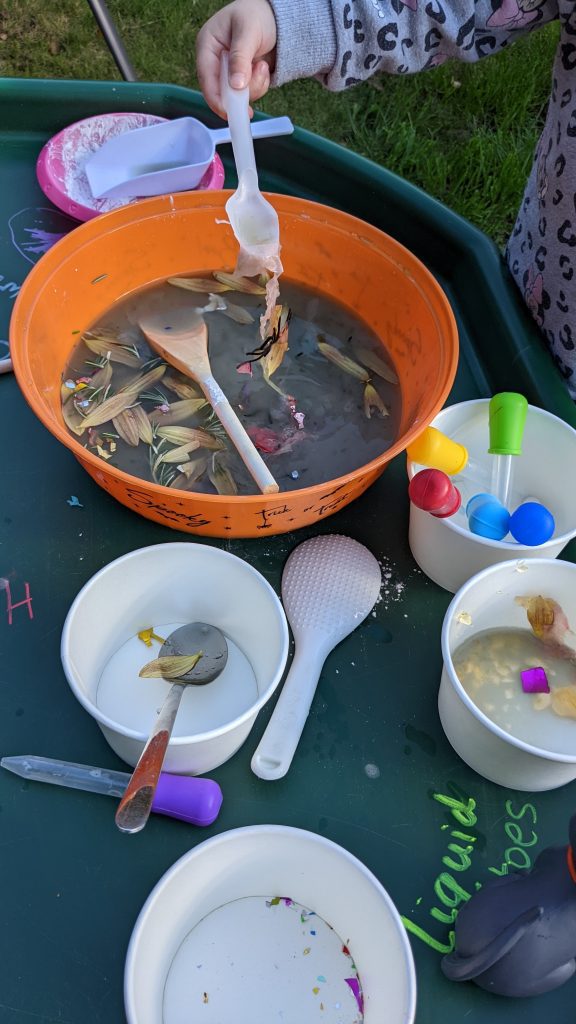
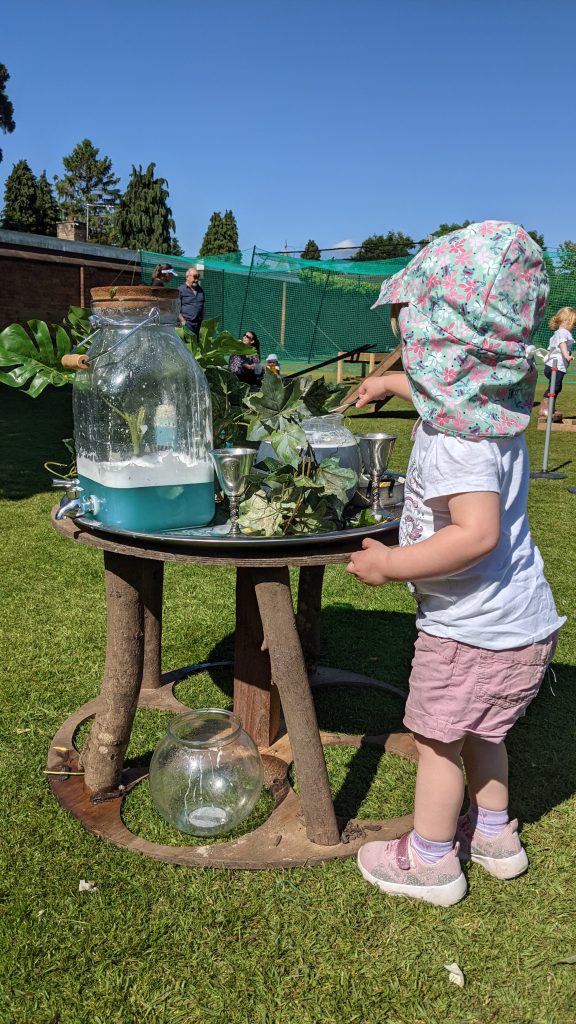
Encourage kids to mix different natural ingredients like petals, grass, and coloured water to make magical potions.
3. Mud Soup & Stew
Fill a pot with water, add handfuls of soil, stones, and leaves, and stir up a delicious pretend soup.
4. Washing Station
Turn part of the mud kitchen into a mini washing-up area with a bowl of soapy water. Kids will love scrubbing their pots and pans after playtime.
5. Seasonal Themes
- Autumn: Use fallen leaves and twigs to create autumn-themed dishes.
- Winter: Add a bit of flour or shredded paper for “snow.”
- Spring/Summer: Use fresh flowers and herbs for colorful mud creations.
What Kind of Mud Kitchen Should I Buy?
This depends upon your budget, the space you have and how much you think your child would play with it?
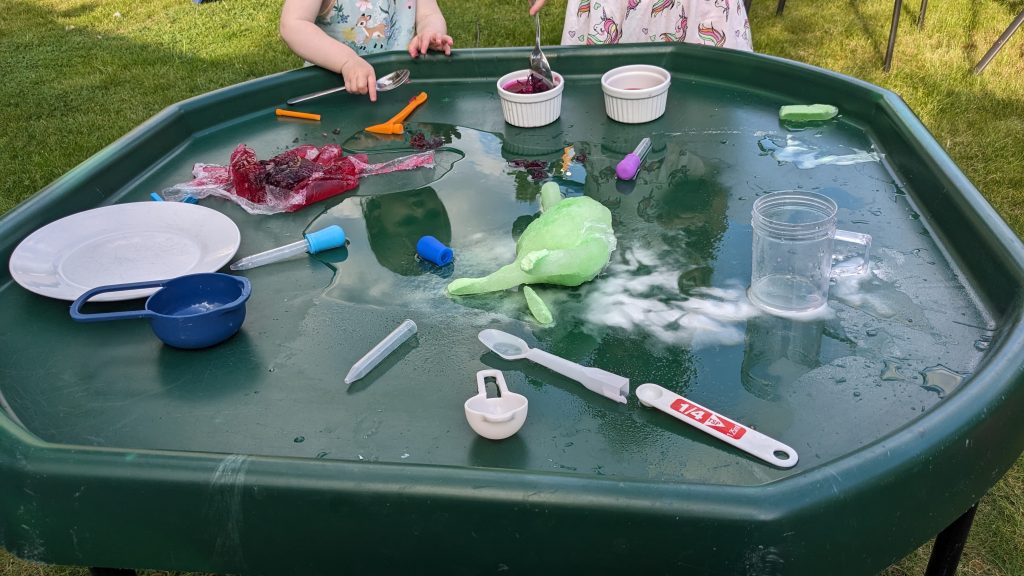
If you think your child would play with it only sometimes and you don’t mind packing it away every time it’s finished with, then get a plastic play tray like the one we have and set up your mud kitchen on there.
Here’s one similar to the one we have:
Or another type of mud kitchen looks like an indoor kitchen but is outside. It’s freestanding and includes a sink and a working tap. Find it here.
This mud kitchen linked here is one which saves a bit of space and gets fixed onto a wall. It has a working tap and sink for some fun water play. Find it here.
Final Thoughts
A mud kitchen is a wonderful investment in your child’s development. It fosters creativity, enhances sensory experiences, and encourages social play—all while getting kids outside and engaged with nature.
You don’t need a huge space or a big budget to create a mud kitchen; even a small bucket of mud and a few utensils can spark hours of imaginative play. So, embrace the mess, let your little ones explore, and watch as they create their own magical mud kitchen adventures!
For more outdoor activities, take a look here:
What Outdoor Activities Can I Do With Young Children At Home? – Fun Family Home
20 Fun and Free Outdoor Activities for Kids This Summer – Fun Family Home
Recent Posts
Every year, Remembrance Day is commemorated in the UK. Special parades and ceremonies are held to remember the people and animals who put their lives on the line for their country and a two-minutes...
Here's a simple and fun Remembrance Day Activity for your toddler or young child. Invite your child to put a blob of red paint on their paper. They could use a paint brush to do this or a...